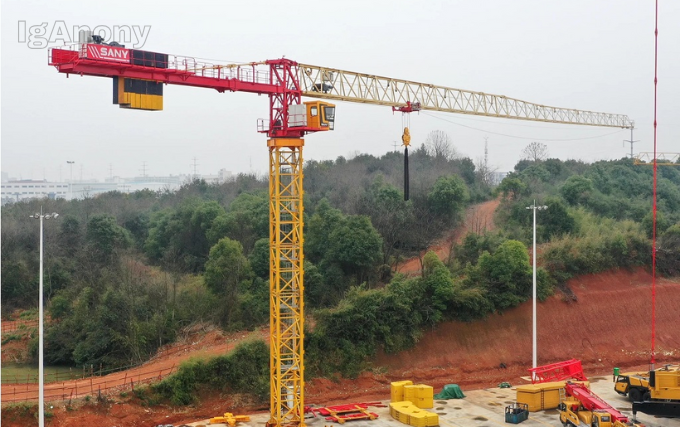
Planning the placement of a tower crane on your job site is crucial for maximizing efficiency and ensuring safety during construction operations. The positioning of a crane affects workflow, material handling, and timelines significantly. Improper placement can lead to operational bottlenecks or safety hazards. Therefore, understanding how to evaluate your site and match crane coverage to your project’s needs is essential. This guide provides practical steps for assessing your site, aligning crane positioning with your workflow, and adhering to safety regulations to optimize your crane use. These considerations will help streamline construction processes and anticipate potential adjustments throughout the project’s lifecycle.
Assess Your Site for Optimal Crane Placement
Site assessment is the first step in planning crane placement. A comprehensive evaluation helps determine the best location for the crane, considering the project size and specific needs. Conduct a thorough analysis of site dimensions, surrounding obstacles like buildings or trees, and any other hindrances. This groundwork ensures the crane has unobstructed movement and access across the site, setting the stage for efficient operations from the start.
Evaluate Site Size, Shape, and Obstacles
Begin by measuring the site dimensions accurately and noting any unique shapes that might impact crane operations. Large sites may require multiple cranes, while irregular shapes could limit certain positioning options. Identify obstacles such as existing structures, trees, or equipment storage areas that may obstruct crane movement. These factors must be mapped comprehensively to visualize potential interference and ensure full crane coverage. Moreover, recognizing seasonal obstacles, like temporary water bodies or ice patches, can aid in strategic planning. Proper evaluation prevents workflow interruptions and ensures the crane serves its purpose effectively.
Consider Soil, Ground Conditions, and Space Needs
Determine ground conditions, as these dictate foundation requirements for crane stability. Soil composition affects the type of base needed, whether reinforced concrete mats or piling for softer grounds. Ensure the site can accommodate space for crane operations without crowding other activities. Tower cranes need ample room to rotate and lift without hindrance. Assess drainage systems to avoid water accumulation near the crane base, preventing structural issues. These considerations are essential for maintaining safety and operational efficiency, minimizing unintended downtime due to terrain-related challenges.
Match Crane Coverage to Workflow and Material Needs
Aligning crane coverage with your workflow involves understanding different construction phases and ensuring material supply is continuous. Efficient crane positioning is pivotal for meeting project timelines and avoiding material mishandling. Identifying key work zones ensures smooth operations.
Map Key Work Zones and Material Supply Points
Detail the spatial distribution of active work zones during different phases of construction. Determine primary material supply points where crane loading and unloading frequently occur. Establish paths that avoid congestion for fast, smooth material transport. Identify the fastest routes for material movement between storage and installation sites, minimizing travel time and optimizing logistics. Mapping these zones guarantees that crane operations support rather than hinder project progress, thus helping meet deadlines effectively and maximizing productivity.
Position for Maximum Lift Reach and Efficiency
Position cranes to maximize their lift capacity throughout all work zones. Analyze the machine power required for intended lift tasks. Larger, heavier materials require powerful cranes positioned strategically to handle lifting needs without repositioning frequently. Consider crane boom height and rotation angles to optimize reach within designated areas. Calibrate each crane’s lift capabilities to match the materials’ weight and dimensions. Ensuring optimal crane efficiency aids in reducing repositioning time and maintaining a consistent workflow across all phases of construction.
Prioritize Safety, Regulations, and Future Adjustments
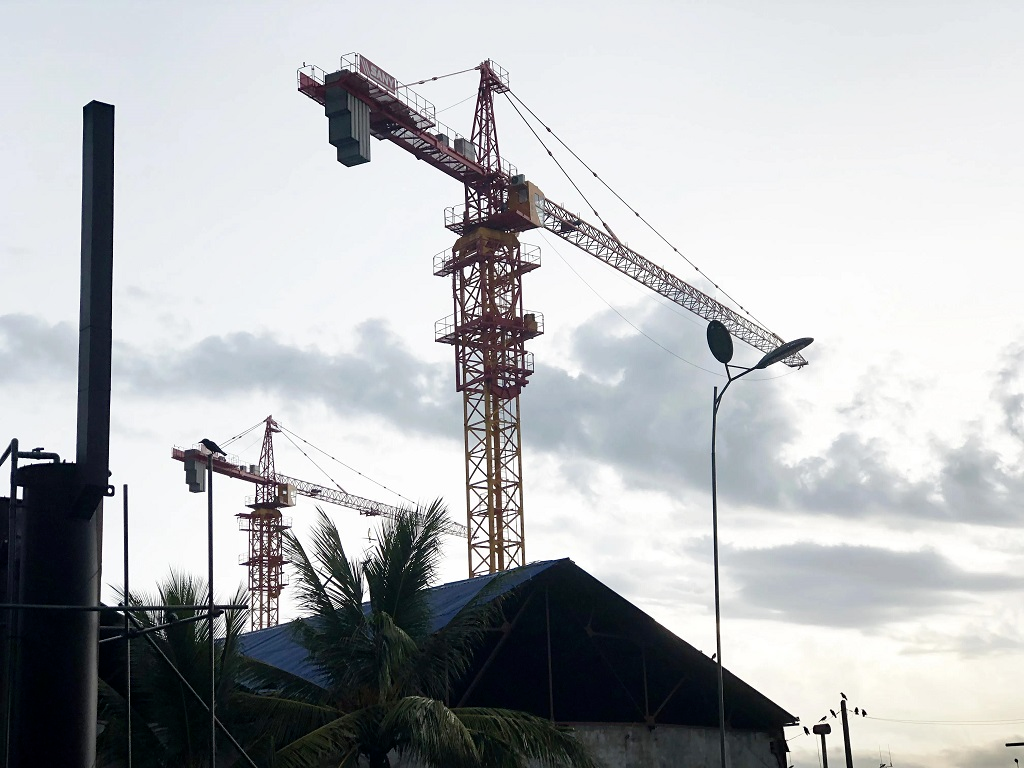
Prioritizing safety involves adhering to your region’s regulations and anticipating future site adjustments necessary for crane relocation or workflow changes. Safety planning ensures compliance with legal standards and facilitates uninterrupted operations.
Maintain Clearance from Power Lines and Hazards
Ensure cranes are erected with proper clearance from power lines and other potential hazards. Position cranes in areas free from overhead obstructions to prevent potential collisions. Inspect surrounding areas for underground pipelines or wires that might influence crane stability. Employ industry-standard safety practices, like placing warning signs and establishing safe zones for crane operation. Proactively identifying hazards ensures safe operation throughout each phase and protects the workforce from potential accidents and regulatory violations.
Plan for Crane Movement and Project Phases
Develop a flexible crane relocation plan for evolving project phases. As construction progresses, site dynamics may require repositioning the crane to accommodate new tasks. Determine conditions under which crane movement might be necessary. Consider future crane installations based on anticipated material needs or spatial shifts. Ensure crane movement plans adhere to safety guidelines and minimize workflow disruptions. Planning for movement ensures adaptability and continuity, reducing the risks associated with unexpected project changes.
Conclusion
Thorough planning for tower crane placement optimizes construction efficiency and safety. Assessing site dimensions, mapping work zones, considering soil conditions, and strategic positioning enable smooth operations and timely project completion. Safety must remain a priority, ensuring compliance with regulations and minimizing risks. Planning crane movements and anticipating future adjustments facilitates adaptability to unforeseen changes. By considering these essential elements, construction leaders can efficiently manage crane placement, ensuring a streamlined process that supports operational success and project safety. Proper execution of crane placement guarantees an efficient, safe, and adaptable construction site environment.