
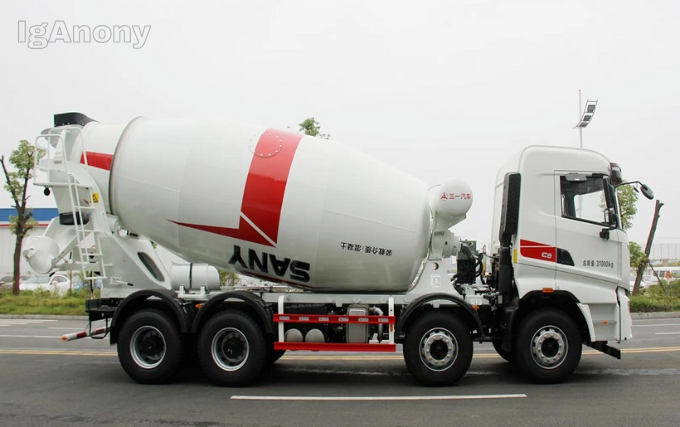
Cement mixer trucks are integral to construction sites, crucial for efficient concrete transport and delivery. Their operation demands strict adherence to safety protocols to protect both operators and crews from accidents and injuries. Awareness and attention to detail are vital; every step, from pre-operation checks to emergency preparedness, should be executed with precision. By focusing on vehicle inspections, operating protocols, personal protection, and emergency response, this guide offers a roadmap for creating a safer working environment. Through disciplined application of these guidelines, we can minimize risks and ensure that concrete mixing operations are as safe as they are productive.
Pre-Operation Safety Checks Every Crew Should Do
Inspect Vehicle Systems and Components
Begin each day by thoroughly inspecting the cement mixer truck’s critical systems. The operator should start by checking the brakes, steering, lights, and mirrors to ensure they’re in working condition. The engine oil and coolant levels must be monitored regularly to prevent mechanical failures. Tire inspections are crucial—verify pressure and tread depth to maintain optimal traction and safety. Additionally, the hydraulic system that drives the drum warrants careful scrutiny; leaks or malfunctions can hamper operations. Regular maintenance checks help prevent unforeseen breakdowns and extend the vehicle’s lifespan. By rigorously assessing each component, operators can confidently proceed, knowing the truck is ready to handle the day’s demands.
Check Load Limits and Drum Condition
Ensuring the concrete load adheres to the truck’s capacity is critical. Overloading can lead to spills and compromise the vehicle’s stability on the road. Operators must be familiar with the specific capacity limits of their trucks and make sure these are never exceeded. Drum condition is equally important—inspect it for signs of wear, corrosion, or mechanical issues. The internal blades must rotate freely, ensuring uniform mixing of the concrete. Regular drum cleaning and maintenance are necessary practices to prevent buildup that can harm functionality. These checks protect against equipment failure while safeguarding crew members and road users from potentially hazardous situations.
Safe Operating Practices on Site and Road
Follow Safe Driving and Navigation Protocols
Cement mixer truck operators should maintain a cautious approach when driving. Adhering to speed limits and following traffic rules is fundamental for safety on public roads. Operators must be vigilant, accounting for the vehicle’s size and weight, adjusting speed and maneuvering with care, especially through tight spaces or heavy traffic. On construction sites, reduced speed and heightened alertness are imperative to navigate around workers and obstacles. Defensive driving training benefits operators, teaching them how to anticipate road conditions and respond to hazards proactively. Furthermore, GPS and other navigation aids should be used to plan routes effectively, avoiding road restrictions and reducing transit time.
Use Spotters and Clear Communication
Clear communication is vital for safe operations. On construction sites, visual limitations often exist; using spotters can help navigate these areas securely. Establishing a system of hand signals or radios facilitates instant communication, reducing the potential for mishaps. Crew members must be attentive and responsive, maintaining open dialogue that enhances coordination between the operator and ground staff. This teamwork increases efficiency while safeguarding everyone involved. Regular briefings on communication protocols ensure all crew members understand their roles and responsibilities. These practices promote a cohesive unit, effectively managing operations with precision and safety at the forefront.
Personal Protection and Crew-Level Safety
Wear Appropriate PPE Every Time
Personal protective equipment is essential, and every crew member should wear appropriate gear at all times. Hard hats, steel-toed boots, high-visibility vests, and gloves form the basic PPE ensemble, addressing common risks associated with construction environments. Respiratory protection, such as dust masks, may be necessary depending on specific tasks or environmental conditions. Equip operators with training on PPE usage and maintenance to reinforce its importance and optimize safety. Regularly inspect equipment for wear or damage and replace it as needed. By making PPE a routine aspect of daily operations, crews can significantly decrease injury risk while bolstering overall safety on the job site.
Establish Safety Zones and Clear Signals
Defining safety zones around cement mixer operations prevents unauthorized access and maintains order. Use barriers or cones to demarcate these zones, ensuring they’re highly visible. Additionally, establish clear signaling systems for communication, so operators and spotters can effectively direct movements around the site. Use universally understood signals to ensure clear guidance across the team, reducing confusion and potential mishaps. Regular training on these signals keeps everyone aligned in their understanding and execution. Safety zones combined with clear communication instill a disciplined approach to site safety, protecting all crew members from harm while maintaining operational efficiency.
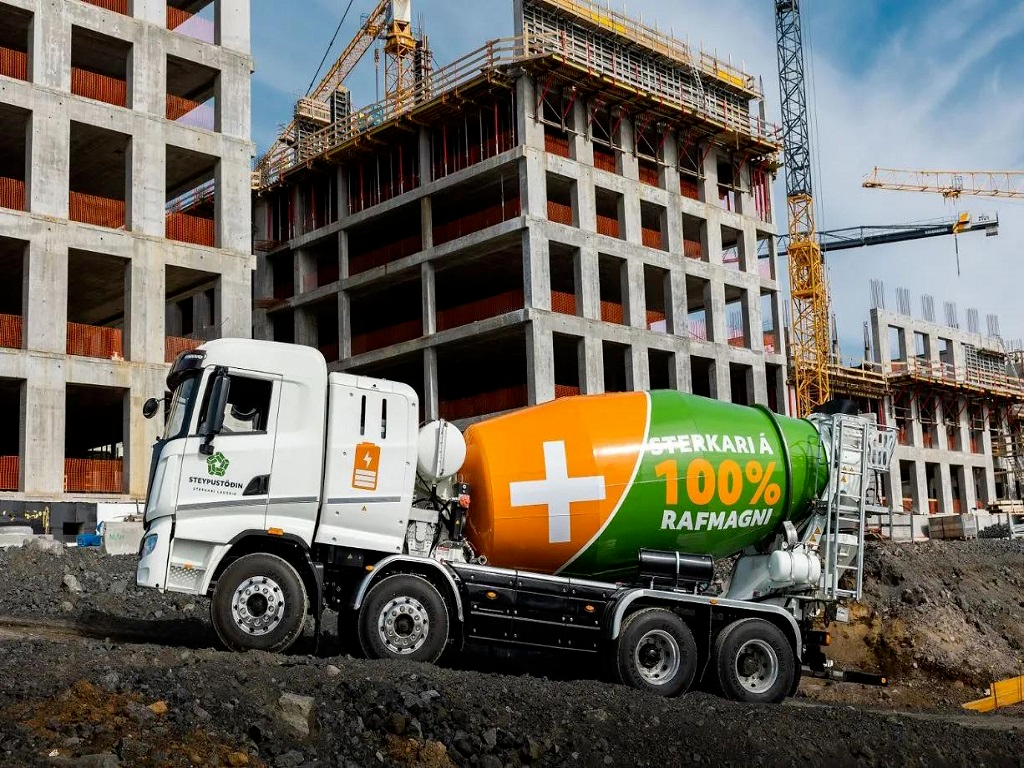
Emergency Preparedness and Response
Plan for Breakdowns and Spills
Every crew must have a clear plan for managing unexpected hazards like truck breakdowns or concrete spills. Quick identification and isolation of the affected area are critical first steps to preventing further complications. Operators should stop all movement and communicate the situation to team members promptly. If a breakdown occurs, assess whether on-site repairs are viable or if external assistance is needed. For spills, contain the material using barriers or absorbents to prevent environmental damage. Ensure there’s a ready supply of cleanup kits and tools on site. Through thorough planning and practice, crews can manage emergencies with control and composure, ensuring a fast return to safe operations.
First Aid and Incident Reporting Procedures
First aid readiness and accurate incident reporting are essential to workplace safety. Every crew member should be trained in basic first aid and prepared to offer immediate assistance for injuries ranging from minor cuts to more serious accidents. Having a first aid kit fully stocked and easily accessible on site is paramount. Additionally, clear procedures should be in place for reporting incidents, whether they’re injuries or near-misses. Immediate reporting allows for timely intervention and analysis, preventing recurrence and promoting overall safety. By doing so, you foster an environment of vigilance and proactive communication, which strengthens safety standards and enhances protection for all workers on the site.
Conclusion
Implementing rigorous safety protocols elevates the standards of cement mixer truck operations. Prioritizing thorough pre-operation checks, consistent communication, and personal protection forms a robust safety foundation. Preparedness for emergencies ensures that crews can handle any situation efficiently, minimizing potential hazards. By integrating these practices into daily operations, crews enhance both safety and productivity. In the construction industry, where risks are inherent, empowering workers through knowledge and precautionary measures transforms safety culture, fostering an environment where operations proceed with confidence and care.