Motion alerts are one of the most useful features of contemporary security cameras, alerting homeowners to prospective intruders or strange activities. However, their accuracy varies based on a number of circumstances. False warnings can be irritating, especially when they occur frequently as a result of unrelated motion, such as wind or dogs. Understanding the causes of these mistakes might help users optimise their system for better outcomes. In this post, we’ll look at the elements that influence the accuracy of motion alerts on security cameras and offer advice on how to improve their dependability for increased security.
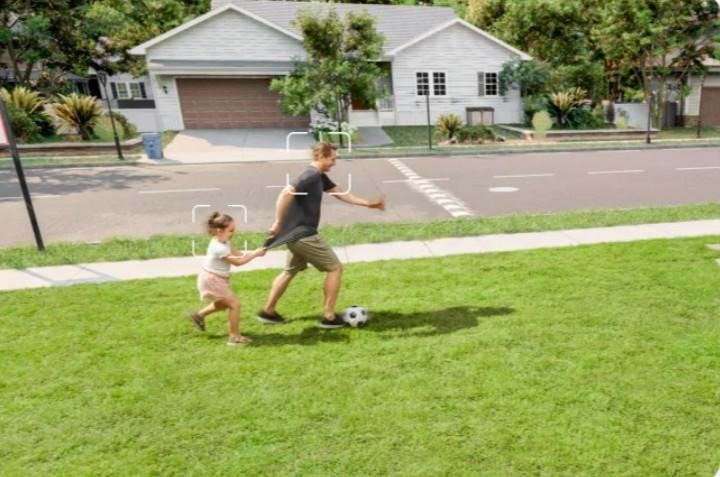
Factors Affecting the Accuracy of Motion Alerts
Camera Technology and Sensitivity
The accuracy of motion alerts is heavily dependent on the technology utilized in the security camera. Higher-quality cameras with modern sensors are more precise in detecting motion. Cameras incorporating infrared sensors, heat mapping, or PIR (passive infrared) sensors can better discern between human movement and ambient changes. Sensitivity settings are also important in determining alert accuracy. If the sensitivity is set too high, even little motions like tree branches or passing automobiles will cause alarms. Low sensitivity, on the other hand, may result in the loss of significant activity. Finding the correct sensitivity balance can help to increase the dependability of motion alerts.
Environmental Conditions and Motion Detection
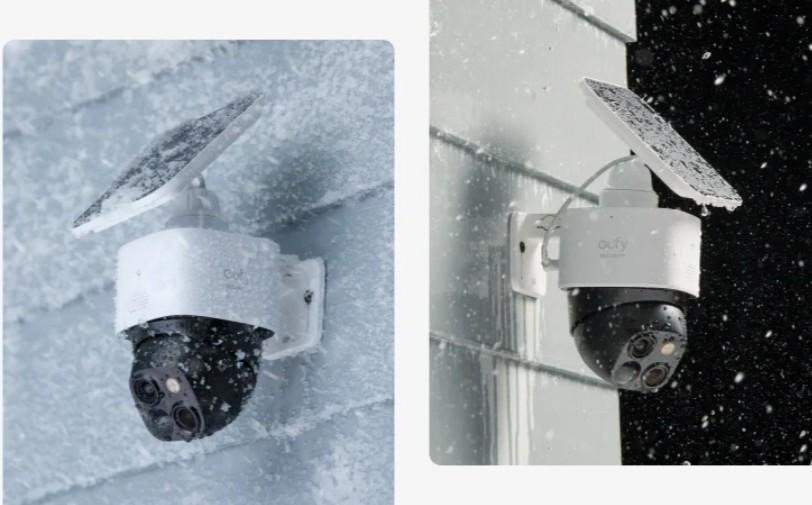
Environmental variables may have a significant influence on the performance of motion detection in security cameras. Strong gusts, animals, or shifting trees, for example, might trigger needless alarms, especially if the camera is installed near vegetation or open regions. Rain, snow, and fog can all interfere with the camera’s ability to detect motion effectively, resulting in false positives. In addition, illumination conditions such as sun glare or strong streetlights might cause reflections that mislead the sensor. To address these concerns, select a camera engineered to withstand certain environmental conditions and position it appropriately to prevent exposure to the weather.
Placement and Angle of the Camera
The placement and angle of a security camera have a considerable impact on its motion detection accuracy. Cameras installed in corners or near windows may detect extraneous motion from passing pedestrians, automobiles, or lighting. The angle at which the camera is mounted is also important since it determines the area covered and the effectiveness of motion detection. Cameras positioned too high or too low may miss some motions or record unnecessary activities. Proper camera placement requires careful consideration of the surroundings, ensuring that the camera is positioned to watch essential regions while not being unduly sensitive to non-threatening activities.
How to Improve the Accuracy of Motion Alerts?
Adjusting Sensitivity Settings
Modifying the sensitivity settings on your security camera is one of the easiest methods to increase the accuracy of motion alerts. Users of many cameras may adjust the sensitivity levels to suit their needs and surroundings. Reducing the sensitivity helps lessen false alarms brought on by little movements, such as dogs or wind-blown leaves. It’s crucial to make sure that the sensitivity isn’t lowered too much, though, as this might result in the camera missing crucial action. Maintaining maximum performance and accuracy in motion detection may be achieved by routinely checking and adjusting the sensitivity levels, particularly after environmental changes.
Proper Camera Placement and Calibration
Appropriate camera positioning and calibration are necessary to produce precise motion alerts. While minimizing direct exposure to sources of misleading motion, such as lamps or trees, cameras should be positioned to capture busy areas or important access points. Furthermore, some cameras let users adjust the angle or detection range to their preferences. By ensuring that the camera’s field of vision is suited for the region you want to watch, calibration helps to improve alert accuracy and prevent unnecessary movement. Environmental conditions may vary over time, so be careful to periodically review the placement and calibration settings, especially if you observe an increase in false warnings or missed detections.
Utilizing Smart Filters and Motion Zones
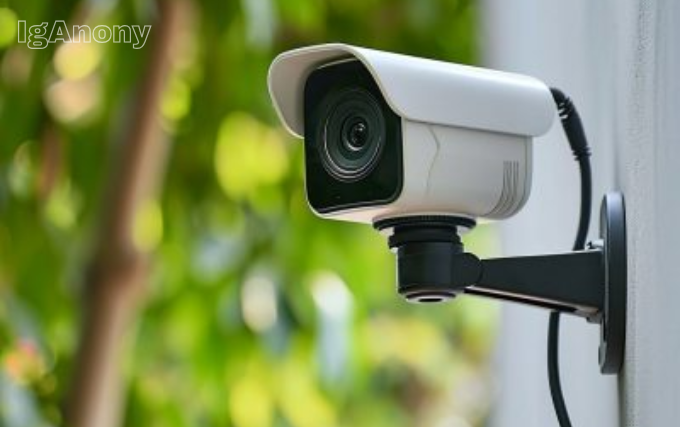
Many modern CCTV cameras come with smart filters and motion zone capabilities that can improve the accuracy of motion alerts. Motion zones allow users to define specific areas of interest, so the cctv camera only detects movement within a designated zone. This avoids notifications from irrelevant behavior outside of the monitored regions, such as traffic on a neighboring street. Smart filters, such as those designed for dogs or cars, can assist the camera in distinguishing between human and non-human movement. Using these sophisticated features, customers may fine-tune their CCTV camera’s detecting capabilities, making motion alerts more accurate and relevant to their individual security requirements.
Conclusion
Motion alerts on security cameras are an important feature for improving home security, but their usefulness is dependent on a variety of circumstances. The camera’s technology, climatic circumstances, and positioning all influence how well motion is detected. Adjusting sensitivity, calibrating the camera, and using motion zones can all help reduce false warnings and enhance detection. With the proper configuration and awareness of these elements, you can guarantee that your security system provides more accurate warnings, resulting in more peace of mind. By constantly monitoring and altering settings, you can optimize your motion detection system for dependable and efficient home security.