
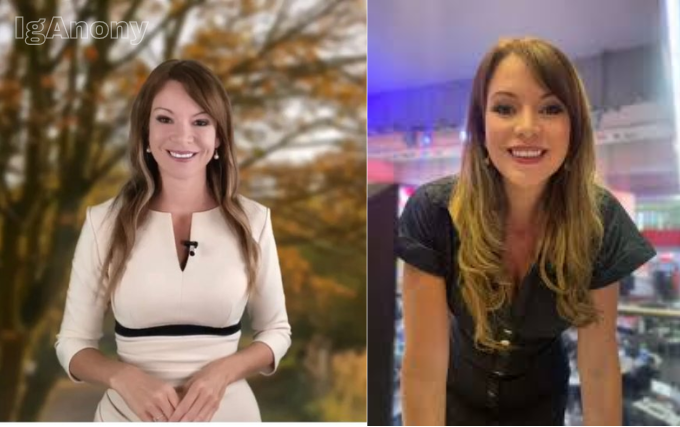
Elizabeth Rizzini, the BBC weather presenter, is not an exception to the rule that people are curious about the personal lives of public celebrities. Her expertise, kindness, and confidence on screen have made her one of the most familiar faces on BBC London’s weather team. The topic of “Elizabeth Rizzini disability” has been the subject of more recent internet searches and conversations. Many people are curious as to whether the presenter has a medical issue or impairment that affects her personal or professional life. Although she is still a private person, isolated online rumors, her fitness journey, and her strong on-air presence amid difficult personal moments have all increased public interest.
There is no official proof that Elizabeth Rizzini has a disability, despite rumors to the contrary. The conversation, however, draws attention to a more general problem: how viewers view media figures’ health. This essay explores what is known, why the rumors started, and how Rizzini is still thriving in her difficult work at the BBC in a clear, factual, and courteous manner. Additionally, it explores the broader context of disability portrayal in broadcasting, providing readers looking for reliable information with insightful, knowledgeable analysis.
Public Curiosity About Elizabeth Rizzini’s Health and Disability Rumours
Online rumors rather than verified information are the main cause of the increase in searches for Elizabeth Rizzini’s impairment. Public personalities like Rizzini have frequently been the focus of health-related conversations throughout the years, even in cases when neither they nor their employers have made a statement. In her instance, the attention might be related to increased inspection of TV hosts’ physical attributes, body language, or lifestyle modifications, which viewers frequently mistake for indications of a medical issue. Such presumptions usually propagate via blogs and social media in the absence of confirmed information, fueling needless rumors.
Relying on precise, publication-verified facts instead than conjecture is crucial. Elizabeth Rizzini has not made any disabilities, chronic illnesses, or health issues public. She continues to show consistency, professionalism, and the enthusiasm of a high-stress broadcast setting in her appearances on BBC London. The lack of formal announcements suggests that such rumors are still unsubstantiated. When talking about disability and welfare, it’s important to respect the presenter’s personal limits, particularly when it comes to private or medical problems.
Elizabeth Rizzini’s Career and Why Her Professional Presence Draws Attention
Elizabeth Rizzini has established a reputable career at the BBC thanks to her skillful weather reporting, self-assured presenting style, and audience-connecting abilities. Because of her prominence, she is frequently the focus of public attention, and even seemingly insignificant details like looks or on-screen changes might raise concerns. The Elizabeth Rizzini disability term is frequently popular due to public interest rather than proof of a verified illness. Her great professional qualities are demonstrated by her devoted work ethic and reliable on-air performance.
Long hours, quick shifts, and intense concentration are necessary for broadcast journalism and weather presenting, particularly when the weather is rapidly changing. Rizzini’s capacity to uphold these expectations suggests a high level of general wellbeing. Her smooth transitions between field reports, studio parts, and live updates demonstrate how well she does her job. She is still one of the most recognizable members of BBC London’s weather team thanks to these attributes and her kind demeanor.
Possible Reasons Why Disability Rumours Emerged Online
Rather than any real health problem, it’s possible that changes in Elizabeth Rizzini’s personal or lifestyle have led to a rise in search trends for “Elizabeth Rizzini disability.” For instance, Rizzini has publicly expressed her passion for running and fitness, which has occasionally spurred conversations regarding physical obstacles, injuries, and endurance training. Audiences may have misunderstood fitness-related posts as signs of a condition since they occasionally highlight problems relating to rehabilitation, stress, or wellbeing. Online viewers are prone to making erroneous judgments in the absence of complete context.
Her emotional fortitude in the face of prior personal traumas, especially widely reported incidents involving her relationship and family life, could also be a topic of conjecture. Some spectators saw a change in her on-screen behavior during these periods, which led to erroneous conclusions that health problems were at play. Human emotion, including that of presenters, is very common and does not indicate a problem. These instances demonstrate how fast internet rumors may spread, even in the absence of solid evidence.
Elizabeth Rizzini’s Personal Privacy and the Importance of Respectful Discussion
Rizzini, like many celebrities on television, keeps her private life and public identity separate. This division is perfectly acceptable, especially when it comes to delicate subjects like handicap or health. Respecting her privacy entails realizing that she is not required to reveal any medical information unless she so desires. This regard is more crucial than ever in the digital era, when every detail becomes a topic of conversation, particularly when talking about terms like Elizabeth Rizzini’s disability.
Additionally, having polite conversations lessens the dissemination of false information. Without proof, making assumptions about someone’s health can result in damaging narratives and needless public pressure. When discussing prominent personalities, emphasizing proven facts rather than unverified beliefs guarantees a more responsible and moral approach. Rizzini’s professional accomplishments should continue to take precedence over unsubstantiated health issues.
Disability Representation in Broadcasting and Why the Topic Matters
The conversation around disability representation in broadcasting is also made possible by the interest in Elizabeth Rizzini’s impairment. Advocacy for greater visibility of disability presenters, journalists, and on-air contributors has grown throughout the UK media landscape. In addition to promoting diversity, representation gives viewers sympathetic role models and viewpoints. The BBC has demonstrated the value of accepting presenters with a variety of skills by taking action to increase inclusion across all of its platforms.
Although Rizzini has not acknowledged having a disability, the larger discussion supports how viewers view diversity and health in the media. It emphasizes the need for greater compassion and knowledge when talking about impairments, particularly when it comes to people who have not publicly identified as impaired. Real transparency, authentic experiences, and lived perspectives—rather than conjecture—are necessary for accurate depiction.
Why Misinformation About Public Figures’ Health Spreads Easily
Because viewers tend to fill in knowledge gaps with presumptions, false information regarding the health of celebrities frequently spreads swiftly. Some readers merely seek clarification using popular phrases like Elizabeth Rizzini’s infirmity, while others spread rumors by sharing posts without checking them. Viewers may think they can spot minute variations in a presenter’s attitude or mood when they see them on TV every day, even if these variations have nothing to do with their health.
The algorithm-driven nature of social media and search engines is another element that contributes to false information. When a keyword acquires traction, it becomes more noticeable and sparks additional interest. This leads to a vicious loop where individuals look for solutions, but the information they find is conjecture rather than verified facts. Expert-driven articles, fact-checked information, and ethical reporting—exactly what you’re reading right now—are necessary to break this pattern.
What We Can Confirm About Elizabeth Rizzini’s Health Status
There is currently no reliable source that attests to Elizabeth Rizzini’s chronic illness or handicap. Every piece of information that is accessible to the public confirms that she is still actively and successfully performing her duties at the BBC. She regularly participates in public events, makes appearances in live broadcasts, and interacts with followers on social media. There are no indications of a handicap or sickness limiting her professional activity.
The only accurate conclusion in the lack of confirmed statements is that the debates around Elizabeth Rizzini’s handicap are still unsupported. Her general health and ability are demonstrated by her ability to keep up a lively, fast-paced broadcasting schedule. Any statements regarding a disability or health problems should be regarded cautiously and not as reality, unless Elizabeth Rizzini herself decides to divulge personal information.
Elizabeth Rizzini as a Public Figure: Professional Achievements Beyond the Rumours
It’s crucial to emphasize Rizzini’s achievements rather than unsubstantiated handicap rumors. She has established herself as a reliable weather forecaster and is renowned for providing lucid, perceptive information under pressure to meet broadcast deadlines. Her on-air style combines relatability and experience to make complicated weather reports easy for viewers to understand. Her success at the BBC has been greatly aided by this ability.
In addition to broadcasting, Rizzini has taken part in community projects, public gatherings, and charity runs—activities that show her active lifestyle and dedication to social concerns. Her participation in fitness and wellbeing initiatives highlights a motivated and healthy person, which is the antithesis of disability rumors. Compared to internet rumors, these accomplishments provide a significantly more accurate picture of her public persona.
FAQs
Q: Does Elizabeth Rizzini have a disability?
A: No publicly available information has been confirmed to support any disability. Every rumor is still unverified.
Q: Why do people search for “Elizabeth Rizzini disability”?
A: Instead than being based on empirical data, search patterns seem to be influenced by conjecture, curiosity, and online conversations.
Q: Has the BBC commented on her health?
A: No, the BBC has not made any comments about Elizabeth Rizzini’s impairment.
Q: Has Elizabeth Rizzini ever discussed health issues publicly?
A: She hasn’t disclosed any disabilities or chronic illnesses, but she has posted general fitness and lifestyle information.
Q: Is it appropriate to speculate about a presenter’s health?
A: No, health issues are personal, and rumors lead to false information.
Conclusion
It is evident by examining public records, expert sources, and confirmed information that there is no proof of Elizabeth Rizzini’s disability. Instead of being based on accurate information, the rumors that are making the rounds on the internet seem to be the result of conjecture, misunderstanding, or just curiosity. She continues to exemplify professionalism, tenacity, and excellence in her career as a reputable BBC weather presenter.
The conversation about her health should serve as a reminder of the significance of acting responsibly online, particularly when it comes to personal issues like disabilities. The most appropriate course of action is to respect Elizabeth Rizzini’s privacy and recognize her continued achievement as a well-known BBC personality until she decides to divulge personal information about her health. Her narrative emphasizes commitment, talent, and the close bond she has developed with millions of viewers rather than handicap.